

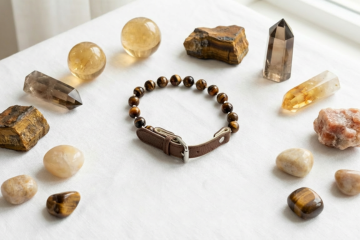


Using and Cleansing Water Stones Properly
A glass of water with a chosen natural stone can become a small moment of mindfulness - provided you want to use and clean water stones correctly. Because not every beautiful crystal belongs directly in drinking water. Its mineral composition, possible treatments, and its surface determine whether it is suitable. With a little knowledge, you choose consciously, enjoy your ritual with a good feeling, and preserve the natural beauty of your stones.
Using water stones correctly: safety comes first
Water stones are more than decorative companions for a carafe or water bottle. Many people associate them with a personal intention: more calm in the morning, a clear thought before a conversation, or a conscious pause in between. This meaning may be entirely individual. For practical use, however, a clear rule applies: only mineralogically suitable, untreated, and carefully cleaned stones should have direct contact with drinking water.
Hardness alone is not enough as a decision-making aid. Some minerals can change on contact with water, release components, or be damaged by acids and minerals in tap water. Dyed, coated, glued, or heavily cracked pieces are also not the right choice for direct use. If in doubt, the indirect method is the more beautiful and safer alternative.
Which stones are suitable for direct contact?
Proven, comparatively robust classics often chosen include clear rock crystal, rose quartz, and amethyst. Not only are they aesthetically harmonious, but with good quality and proper care, they are also popular for many water rituals. The individual piece always remains decisive: it should be natural, without visible coatings, without metal parts, and without deep, hard-to-clean fissures.
Special attention is required for tumbled stones. Their smooth shape is practical, but not every tumbled stone is untreated. An intense color or an unusually even shine can indicate treatment. Anyone who deliberately selects their stones for water should know the origin, mineral type, and processing - exactly what turns a beautiful object into a mindfully chosen companion.
Unsuitable for direct water contact, or to be used only after expert examination, are, among others, malachite, azurite, pyrite, selenite, fluorite, lepidolite, calcite, hematite, and sulfur-containing stones. The same applies to stones with metal content, porous structures, or unknown composition: please do not place them in drinking water. This does not mean giving up their special appeal. They shine just as wonderfully in their place as decoration, a palm stone, or a meditation stone.
Two ways for your water ritual
The direct method is simple: place a suitable, cleaned stone in a glass carafe, fill it with fresh drinking water, and let it sit covered for a few hours, such as overnight. Do not place the carafe in direct sunlight. Warmth promotes the formation of germs, and some stones can visually lose color through strong sun exposure.
Ideally, use the water on the same day. Water stones replace neither clean drinking water nor hygienic cleaning of the carafe. However, they turn drinking into a conscious ritual that can remind you to pay attention to yourself.
The indirect method is the best choice for delicate, unknown, or particularly valuable crystals. To do this, place a closed drinking glass or a sealed bottle next to or on top of a larger stone. Alternatively, place the crystal on the outside of the carafe. This way, the mineral stays dry, and you can incorporate its presence into your ritual without unnecessarily straining material and water.
Especially large amethyst geodes, rose quartz freeforms, or powerful raw stones are wonderful for this. They turn a simple spot in the kitchen or on the desk into a small place of calm. The water does not come into contact with the stone - but your intention does.
The right amount and duration
More stones do not automatically mean a better experience. One to three small, suitable water stones are completely sufficient for a carafe. Do not overload the vessel, as the stones should be easy to take out and clean thoroughly.
The same applies to steeping time: simple often remains the most pleasant. A few hours or one night are sufficient for the personal ritual. If you let water sit longer, it does not gain additional quality but may lose freshness. It is better to prepare small amounts fresh regularly.
Cleaning water stones: keeping them beautiful and hygienic
Before first use and after each use, direct water stones should be cleaned. Take them out of the carafe with clean hands and rinse them under lukewarm, running water. A soft, clean cloth helps dry them completely afterward. Residual moisture in cracks or recesses, in particular, can encourage unattractive deposits over time.
Avoid dish soap, aggressive cleaners, salt, essential oils, or the dishwasher. These agents can attack surfaces, leave residues, or affect the natural structure. A genuine natural stone needs no complicated treatment - care and clear water are usually enough.
Clean the carafe itself after each use as well. Hot water and a suitable bottle brush reliably remove deposits. Only once the vessel and stones are dry and clean does the next water ritual begin.
What to do about limescale or dull spots?
Limescale traces are normal with hard tap water. For robust, clearly suitable stones, you can first loosen them with lukewarm water and a soft cloth. If that is not enough, it is better to ask before taking further steps rather than experimenting with vinegar or citric acid. Acid can visibly damage many minerals - especially soft, calcium-containing, or porous varieties.
Dull spots, by the way, are not always a flaw. Natural stones carry their formation history in inclusions, color gradients, and fine structures. These small characteristics in particular make every piece a personal masterpiece of nature.
Energetic clearing - as a mindful ritual
In addition to hygienic cleaning, many people also wish for an energetic clearing of their water stones. This is a personal, spiritual practice and not a scientifically measurable process. If it helps you connect with your stone and your intention, it may have a fixed place in your daily life.
You can place the dry stone in moonlight for a few hours, accompany it with sound, or consciously take it in your hands and renew your intention. Incense is also frequently used, but should be applied at a distance: smoke residue can settle on the surface. For water stones that are to go back into drinking water, a subsequent rinse and complete drying are particularly advisable.
Sunlight is not a universal method of cleansing. Some minerals react sensitively to long, direct sun. Anyone who wants to preserve color and surface prefers gentle morning light, moonlight, or a quiet spot in the room.
Common mistakes with water stones
The most common mistake is reaching for a stone because it looks appealing, without checking its suitability. Beauty is a wonderful start - for drinking water, mineral knowledge is also needed. Equally problematic are long standing times, insufficiently cleaned carafes, and stones left damp in a bowl after use.
A crystal bottle with a permanently integrated stone also deserves special care. If the crystal is separated from the water, it is enough to clean the bottle regularly according to the manufacturer's instructions and gently wipe the stone on the outside. If it is located in the water chamber, the same criteria apply as for loose water stones: only suitable material, careful cleaning, and daily water change.
If you are unsure about the type of a stone, it is better to take your time. A brief moment of examination protects your ritual and your natural piece. At Crystal Paradise, exactly this joy in genuine, hand-selected minerals is at the center: a stone may touch, inspire, and at the same time be treated with respect.
Choose your water stones not for perfection, but for a good feeling and clear information. If you care for them, know their limits, and give yourself a quiet moment while pouring, every glass of water becomes a small invitation to more mindfulness.

Written by Christian Neumayer


Leave a comment
This site is protected by hCaptcha and the hCaptcha Privacy Policy and Terms of Service apply.