

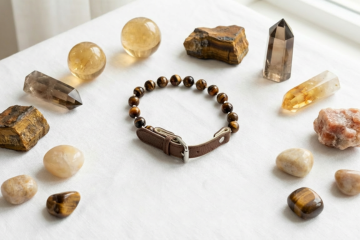


Buying Calcite Stone: Recognize Quality & Collect Correctly
Buying Calcite Stone: Recognizing Quality & Collecting the Right Way
by Julia Bergmann, Mineralogical Curator & Co-Founder of Crystal Paradise
When we at Crystal Paradise pick up a new calcite stone, we look closely first. How does the light fall through the mineral? Does the surface show the true texture of growth? Is the color grown evenly, or is it strangely uniform somewhere? This curatorial mindset accompanies us with every purchase – and it's exactly this perspective we're sharing in this guide. Calcite is one of the most mineralogically diverse stones out there: colorless, honey yellow, orange, blue, pink – and every specimen is unique. Anyone looking to buy calcite deserves clear answers about what makes good quality, what forms exist, and what really matters when buying.
What Makes a High-Quality Calcite Stone?
Not every calcite stone is the same – you notice that as soon as you place two specimens side by side. Quality starts with transparency. High-quality calcites let light through and show a characteristic double refraction, known as birefringence: holding a clear piece over text makes the writing appear doubled. This optical phenomenon is a reliable identifying feature of genuine calcite.
Color intensity is the second criterion. With colored calcites – such as honey calcite or orange calcite – the color should be deep and even, without abrupt transitions or pale spots. Natural color gradients are allowed and typical; blotchy or strikingly unnatural areas can indicate treatment.
The growth pattern also reveals a lot. Calcite crystallizes in characteristic forms: rhombohedral crystals, prismatic columns, or scalenohedral structures. These patterns form over geological timescales – either sedimentary through precipitation from seawater or through hydrothermal processes. Those who can recognize growth lines can recognize the genuine stone.
Finally, luster matters. Calcite shows glassy to pearly luster – depending on the surface and variety. A dull, matte appearance without recognizable crystal structure can indicate lower quality or heavy reworking. At Crystal Paradise, we check transparency, color, and crystal form on every piece individually before it's added to our collection. Over more than 15 years, we've examined more than 500 calcite specimens from around the world – this experience shapes every decision we make for our collection.
Buying Calcite: The Right Form for Your Collection
Calcites are available in many processed forms – and each appeals to a different type of collector. The choice depends on taste, experience, and the purpose of the collection.
Raw calcites show the natural form without any reworking. Crystal structures, cleavage planes, and natural fractures remain visible. This is calcite as it comes out of the earth – unaltered and geologically informative. Mineralogists and collectors with a scientific interest often prefer this form. Localities such as Mexico, Iceland, or Austria produce particularly striking raw specimens.
Polished calcites reveal what's inside. Transparency comes through especially well in polished forms, color play becomes more visible, and the surface is easier to care for. For beginners, polished pieces are often the most straightforward choice – sturdy, attractive, easy to handle.
Calcite points are classic collector's pieces. Their geometric shape either results from natural crystal growth or is reworked through cutting. Points from natural growth are mineralogically more valuable; cut points are visually striking and popular in mineral collections.
In our collection, you'll find a wide selection of raw and polished specimens: Buy Calcite at Crystal Paradise – every piece documented with individual photos. Especially colorful are the Cobalt Calcites, a rare variety with intense pink to magenta coloring.
Authenticity and Origin: Why the Direct Source Matters for Calcite Stone
The mineral market is large – and not always transparent. Calcites are dyed, heated, or confused with other materials. Anyone wanting to buy a calcite stone should know what to look out for.
Legitimate treatments in the collector community include heating for color change or light stabilization with resin for fracture-prone pieces. These methods are accepted – but only when openly disclosed. At Crystal Paradise, we transparently label every treatment.
Problems arise with intense artificial dyeing that masks real quality flaws, or with false origin claims. Overly intense, uniform colors without natural variation can be a sign of artificial treatment. Genuine calcites show mineralogical irregularities – that's their character, not a flaw.
Origin is a key quality factor for collectors. Important localities include Mexico (honey calcite, orange varieties), Iceland (optical calcite, Iceland spar), Brazil, and China. We buy directly from mines and trustworthy collectors in the countries of origin – without wholesalers in between. That means shorter supply chains, more transparency, better quality control.
All pieces at Crystal Paradise are documented with 360° photos. What you see is exactly what you get. No stock photos, no surprises.
Checklist for Buying Calcite Stone: What Collectors Should Look For
Before you buy a calcite, it's worth running through a quick mental checklist. These points help you decide quickly and confidently:
Transparency: Is the stone clear, translucent, or completely opaque? Clear pieces are mineralogically higher quality and show birefringence more clearly.
Color intensity: Is the color rich and evenly grown? Natural color gradients are desirable; abrupt, blotchy, or artificial-looking areas are a warning sign.
Crystal structure: Can you recognize the typical growth forms – rhombohedral faces, cleavage planes, prismatic contours? These features confirm genuine mineral formation.
Surface: Scratches or small fractures are normal on raw stones and not a quality flaw. On polished stones, the surface should be even and free of deep nicks.
Size and proportion: Does the piece fit your collection? Calcite has a Mohs hardness of 3 – it's soft and prone to fractures. Large, flawless specimens are rare and correspondingly more valuable.
Disclosure: Is the origin stated? Is any treatment disclosed? Transparent sellers clearly state both.
Photos: Only buy from sellers who show the actual piece – not stock photos. All-around photos or 360° views are the most reliable format when buying calcite stone online.
Frequently Asked Questions About Buying Calcite Stone
How can I tell if a calcite is genuine?
Genuine calcites show a characteristic double refraction (birefringence): placing a clear piece over text makes the writing appear doubled. In addition, genuine calcites feel cool to the touch, show natural growth patterns, and don't have uniform, artificial-looking colors. Calcite also dissolves in dilute acids – a geological trait that glass or synthetic resin doesn't share. At Crystal Paradise, we document every stone with origin information and 360° photos so you know what you're buying.
Which calcite form is best for beginners?
Polished calcites are a good starting point: they're sturdier to handle, show the stone's color beauty especially clearly, and are easy to care for. Raw calcites appeal to collectors with a mineralogical interest, as they show the genuine crystal structure. Points are classic collector's pieces with high visual appeal. The right form depends on your taste and budget – there's no wrong choice.
Why do calcite prices vary so much?
Size, transparency, color intensity, and origin determine the price. Rare varieties like intense orange or Mineral Type - Cobalt Calcite cost more than more common colors. Large, flawless specimens with documented origin are valued higher than mass-market pieces. Untreated natural stones are more sought-after in the collector community and accordingly more expensive than treated pieces.
How should I store my calcite properly?
Dry, dark, and stable: calcite has a Mohs hardness of 3, making it one of the softer collector minerals. Store calcites separately and not stacked on top of each other to avoid scratches and fractures. Direct sunlight can fade some colorations over time. A collection stand with cushioning material or individual compartments in a mineral box are ideal.
Are treated calcites inferior?
Not fundamentally. Heating for color change or light stabilization with resin are accepted methods in the collector community – as long as they're openly disclosed. At Crystal Paradise, we transparently disclose every treatment. Untreated natural stones with documented origin are generally more sought-after and command higher prices. Those specifically looking to buy calcite will always find clear information on this in our product descriptions.


Leave a comment
This site is protected by hCaptcha and the hCaptcha Privacy Policy and Terms of Service apply.