

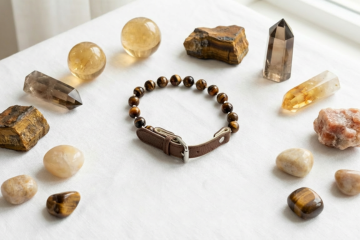


Can Crystals Fade? How to Protect Them
An amethyst on the sunny windowsill, a rose quartz in the bathroom, or a colorful fluorite specimen in the bright living room: crystals bring natural beauty and a special mood into your everyday life. But can crystals fade? Yes, some minerals actually lose visible color intensity when exposed to too much light. This is not a sign of poor quality, but a characteristic of their natural composition.
Anyone who consciously chooses their personal masterpiece of nature wants to enjoy its original radiance for a long time. With the right location and gentle care, you preserve the color, structure, and unique character of your stone.
Why can crystals fade?
The color of a crystal arises from its chemical composition, tiny inclusions, or special lattice structures within the mineral. In some stones, the color-giving components react to high-energy light, especially UV radiation from the sun. Over time, this changes the color molecules or electron states in the crystal. The color then appears lighter, paler, or uneven.
Direct sunlight is the most common trigger. A single sunny afternoon will not normally transform a robust stone right away. However, if it sits on a south-facing windowsill for weeks or months, the effect can become noticeable. Very bright artificial light can also play a role over time for particularly light-sensitive pieces, but it is usually less critical than sunlight.
It's important to distinguish: not every stone that looks lighter is faded. Dust, a dull film of water, small scratches, or changed room lighting can also make colors appear less vivid. Only when the color permanently weakens, especially on the side facing the light, does it strongly suggest genuine fading.
These crystals are particularly light-sensitive
Amethyst is the best-known example. Its characteristic violet color can fade with prolonged, direct sunlight and, in extreme cases, appear yellowish or very light. Especially with dark, intensely violet amethyst geodes, a protected spot is worthwhile. Ametrine, which combines violet and golden yellow, should also not be placed in strong sunlight.
Other minerals where caution is advisable include:
- Fluorite, whose delicate green, blue, violet, or rainbow colors can lose brilliance over time.
- Rose quartz, especially strongly pink pieces exposed to UV light for a long time.
- Citrine, especially when its color is naturally pale or the piece has been heat-treated.
- Celestite, whose sky-blue tone can be light-sensitive and which is also a rather delicate mineral to handle.
- Apatite and kunzite, valued for their fascinating but sometimes sensitive color nuances.
Which stones tolerate light better?
Many crystals can be placed in bright spots as long as they aren't exposed to intense midday sun for hours. Clear quartz, smoky quartz, agate, jasper, and many forms of chalcedony are generally considered comparatively resistant. Black tourmaline, hematite, or obsidian also don't simply lose their dark presence from daylight.
That doesn't mean every windowsill is ideal, though. Heat is a separate issue. Behind glass, warmth can build up significantly, especially in summer. This can cause a stone to develop tension, form fine cracks, or, in sensitive minerals, suffer damage. Crystals with natural cracks, geodes, and delicate points generally benefit from a spot with calm lighting conditions.
For decorative arrangements, indirect daylight is often the most beautiful solution. There, crystals appear clear and vivid without being unnecessarily stressed. A shelf a bit away from the window, a sideboard against a bright wall, or a protected display case are good spots for pieces meant to accompany you daily.
Sun, moonlight, and energetic rituals
Many people associate crystals with moments of mindfulness, personal intention, and positive energy. Charging them in sunlight or moonlight is, for some, a firmly established ritual. With light-sensitive stones, you don't have to give this up entirely - just choose a gentler variant.
Don't place amethyst, fluorite, or rose quartz in intense midday or afternoon sun. Gentle morning light for a short time is significantly less stressful, but remains a compromise for sensitive colors. Moonlight is the gentler choice for many crystal lovers, since it doesn't create strong UV exposure. You can also deliberately place your stone next to an open window without putting it directly outside in sun, rain, or temperature fluctuations.
Another option is a personal ritual without any light at all: hold the crystal in your hands for a few breaths, clean it with a soft cloth, or place it in a quiet spot. The meaning you give your companion doesn't come from how long it lies in the sun. It grows through attention and the connection you nurture with it in everyday life.
How to protect the natural color of your crystals
The most effective protection is pleasantly simple: avoid prolonged direct sunlight. Especially valuable individual pieces, intense color varieties, and sensitive raw stones are better kept off the windowsill. If that exact spot is visually important to you, you can place more robust stones there and arrange light-sensitive crystals elsewhere in the room.
Pay attention to the season as well. In winter, sunlight hits at a flatter angle and often feels gentler, but a south-facing window can still receive intense radiation. In summer, even one bright weekend is enough for a window spot to heat up significantly. Curtains, blinds, or a small change of location in the afternoon help without your crystal disappearing from view.
For care, a dry, soft microfiber cloth is usually enough. Dust takes away the surface's shine and makes colors appear duller, even though the stone is completely fine. Do not use aggressive cleaning agents, fragrance oils, or salt solutions. Some minerals are porous, water-soluble, or sensitive to chemicals. For jewelry, also make sure that perfume, hairspray, and cosmetics don't come into direct contact with the stone.
Store smaller tumbled stones, pendants, and sensitive crystals separately when you're not wearing or displaying them. This helps you avoid scratches from harder minerals. A fabric pouch, a padded compartment, or a jewelry box not only protects the surface but also preserves the special value of your personal piece.
What to do if a crystal is already paler
If a crystal has actually faded, its original color usually can't simply be restored. Please resist the urge to "refresh" it with strong sun, water, oils, or home remedies. This can worsen the condition. Artificial recoloring also changes the natural character of a mineral and is rarely the right solution for a treasured collector's piece.
Instead, let your stone carry its history. A slightly lighter amethyst geode remains a genuine one-of-a-kind piece of nature, and a gentle rose quartz still retains its soft, harmonious radiance. Place it in a protected spot going forward and enjoy the details that remain: its crystal points, patterns, inclusions, and shape.
If you're looking for a particularly vibrant piece for a specific favorite spot, a conscious selection is worthwhile. At Crystal Paradise, you'll find hand-selected crystals for different rooms, moods, and preferences. Personal guidance can help you choose a stone that fits your style and whose care you can easily incorporate into your everyday life.
Give your crystals a place where they can be seen without constantly having to fight: gentle light, a calm surface, and mindful handling often preserve their natural beauty better than any elaborate care ritual.


Leave a comment
This site is protected by hCaptcha and the hCaptcha Privacy Policy and Terms of Service apply.