



Properly Storing and Protecting Mineral Specimens
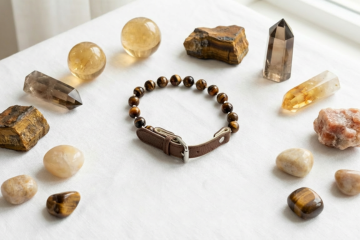
A sparkling amethyst geode, a delicate selenite or a powerful clear quartz specimen is far more than decoration: each piece carries millions of years of Earth's history within it. Whoever wants to properly store and protect a mineral specimen preserves not only its shine, but also its very personal character. With the right spot, gentle care and a bit of attention, your unique piece of nature stays a beautiful companion for your home, your altar or your collection for a long time.
The right spot for your mineral specimen
Many minerals look most beautiful where they are seen every day: on the sideboard, the desk or as a special accent on the shelf. But this is exactly where protection begins. Not every bright favorite spot is suitable for every specimen. Direct, intense sunlight can change colors over time. Amethyst in particular, rose quartz, fluorite, celestite and some colored agates can lose their luster over time.
So choose a bright but not permanently sunny location. Indirect daylight or soft, warm lighting beautifully highlights crystal faces without unnecessarily stressing the material. If your specimen sits by a window, a little distance from the pane or a spot to the side of the incoming light already helps.
Just as important is a stable surface. A heavy geode needs a sturdy, level surface that doesn't wobble and doesn't become an impact edge. Families with children, curious pets or lively areas like hallways and dining tables in particular call for an especially secure spot. Felt pads, cork coasters or a soft mineral mat protect both the furniture and the underside of the stone. For delicate points and free-standing crystals, this is not a minor detail but a caring precaution.
Properly storing and protecting mineral specimens
Not every collection is permanently on display. Maybe you rotate your favorite pieces by season, make room for new finds, or want to store particularly valuable specimens safely. In that case: minerals don't need an airtight safe, but they do need a dry, clean home with little vibration.
A padded collector's box, a display case or a cabinet compartment with soft lining works wonderfully. Store individual pieces with some distance between them. Crystals can damage each other when they knock together, because hardness and fragility vary greatly. A quartz, for example, can scratch softer minerals, while delicate crystal points can already break off from a small bump.
For wrapping, acid-free tissue paper, soft cotton cloths or unprinted, soft paper work well. Bubble wrap is practical for transport, but shouldn't rest directly and permanently against very delicate or long-stored pieces. Moisture, heat and pressure can build up underneath it. Always place a soft layer of paper or fabric between the specimen and the padding.
For small, fragile mineral specimens, compartment boxes are ideal. Large, heavy pieces are best stored individually and as close to the ground as possible, so they sit securely in your hand when taken out. Always lift a specimen at its most stable area, never at individual points, crystal needles or attached parts. A unique piece of nature often has surprising weak spots that are barely visible from the outside.
Display cases protect against dust - but not against everything
A glass display case is a beautiful stage for collector's pieces and significantly reduces dust. It also protects against careless touches and small everyday accidents. Still, it's not entirely maintenance-free: even in display cases, dust, temperature fluctuations and, with an unfavorable location, moisture can become noticeable.
Don't place your display case directly by a heater, in a damp bathroom or against an exterior wall with noticeable cold. A balanced room climate is ideal for most minerals. If condensation forms on the glass in winter, the display case should be moved a bit further from the cold wall and the room should be ventilated regularly.
Water, salt and cleaning: Less is often more
Dust takes away the crystals' natural shine. For regular care, a very soft brush, such as a cosmetic or artist's brush, is usually enough. This lets you reach even small crystal faces without applying pressure. A dry microfiber cloth can be useful on smooth, sturdy surfaces like polished quartz or agate. On rough specimens, however, fibers can easily catch - a brush is then the better choice.
Water is not a universal solution. Some minerals tolerate a brief, gentle rinse, others are sensitive or can even change. Selenite, gypsum, halite, malachite, pyrite, lepidolite and many porous or layered minerals should not be cleaned with water. Salt can also be problematic, as it can attack surfaces, remain in fine cracks or damage sensitive minerals.
If you're unsure, treat your specimen dry as a general rule. That's the safest choice. For stubborn dust on a sturdy quartz specimen, a slightly dampened cloth can work, after which the piece should dry immediately and completely in the air. Do not use aggressive household cleaners, fragrance sprays or polishes. They leave residues and can unintentionally alter the natural surface.
Energetic care without risk to the material
Many people connect their crystals with moments of mindfulness, a clear intention or the wish for more inner balance. This personal meaning can also flow into the care routine, without putting the mineral at risk. Smudging at a gentle distance, placing it on a dry selenite plate or a mindful moment in moonlight are material-friendly options.
Here too: pay attention to the substance. Open flame, heavy smoke directly on sensitive surfaces or a spot in the rain are not a good idea. An energetic routine should feel light and fitting - not complicated and not at the expense of your piece of nature.
Protection when rearranging, moving and shipping
Most small damages happen while redecorating. Clear space before lifting, have a soft surface ready and carry large mineral specimens with both hands. For especially heavy pieces, a second person is advisable. This protects not only the specimen, but also your hands and furniture.
For a move, every piece needs its own padding. First wrap soft paper or fabric around the mineral and then fill the box so that nothing can shift. Heavy specimens belong in small, sturdy boxes rather than overloaded large crates. Label the boxes clearly and don't place them under other items during transport.
For crystals with delicate points, it's worth padding the cavities around the point especially carefully. Pressure must not rest directly on individual crystals. A seemingly solid geode can have fine structures inside that are sensitive to shock.
Special minerals need special attention
How much protection is needed always depends on the mineral. Hard quartz varieties like clear quartz, amethyst and agate are comparatively uncomplicated in everyday use, but should also be protected from falls and permanent, direct sunlight. Softer minerals such as selenite, calcite or fluorite require considerably more caution. They can scratch or break more easily, or react to moisture.
Metallic, shiny pieces like pyrite like it dry. Very porous minerals should not come into contact with oils, perfume or damp cloths. For unknown finds, it helps to determine the exact mineral type before any cleaning. Expert advice at Crystal Paradise provides guidance if you want to make the best decision for your piece between impressive looks, energetic ritual and material-appropriate care.
Your mineral specimen doesn't need to be locked away to be protected. Give it a safe spot, handle it with a steady hand and pay attention to its own properties. This way, a special find remains a personal masterpiece of nature that gets to accompany you every day with its beauty.


Leave a comment
This site is protected by hCaptcha and the hCaptcha Privacy Policy and Terms of Service apply.